我感到兴奋。这种兴奋感不同于往常那种"新学期、新学生"的常规兴奋——尽管后者也总能令人精神振奋。但这次,有种与众不同的感觉。
This semester, I’m teaching Entrepreneurship with a twist: artificial intelligence as a collaborative partner in the learning journey.
If you’ve been following my writing, you know I’m passionate about AI in education. I’ve written extensively about this topic on the AIHM Higher blog.
In one previous post, I detailed how students can use AI strategically through what I call the 4Cs Framework—Collaborate, Cross-Check, Critique, and Customise. Now, I’m putting these principles into practice in our **Postgraduate Diploma** course on Entrepreneurship and Business Modelling here at the Asian Institute of Hospitality & Management (AIHM).
创业精神与人工智能的碰撞
为何将人工智能与创业精神相结?因为它们拥有相同的基因:实验精神、迭代精神、基于证据的决策,以及将不确定性转化为机遇的能力。
Throughout this 12-week journey, my Entrepreneurship students will use AI tools not to replace their thinking, but to amplify it. They’ll explore how AI can be leveraged to test assumptions faster, generate customer insights more efficiently, and prototype business models with greater agility.
This innovative approach feels right at home at AIHM. After all, our institute was built by entrepreneurs, for entrepreneurs.
由创业者打造,为创业者服务
AIHM本身就具有创业基因。
We were established by Minor International, the lifestyle and hospitality giant founded by William (Bill) Heinecke, one of Asia’s most successful serial entrepreneurs. He created an empire. From Anantara and Avani hotels to NH Hotel Group, from restaurant brands to retail ventures, Mr. Heinecke embodies what it means to recognise opportunities and execute relentlessly.
In many ways, AIHM is an act of intrapreneurship—an educational innovation within the broader Minor ecosystem. We’re young, adaptive, and built to experiment.
We combine Swiss educational excellence with Asian relevance, exploring what hospitality education can look like for the next generation of business leaders. We teach experienced and aspiring hospitality professionals what it takes to be leaders, innovators and entrepreneurs.
At AIHM, our own evolution as an institute mirrors what we teach: design, test, learn, and adapt.
这就是我带进课堂的精神,也是我希望通过本系列与大家分享的精神。
你的12周创业之旅
Starting today, I’m launching a new blog series that will take you through the entire learning arc of our Postgraduate Diploma course on Entrepreneurship and Business Modelling. I’ll take you inside the classroom as we explore entrepreneurship in hospitality from the ground up.
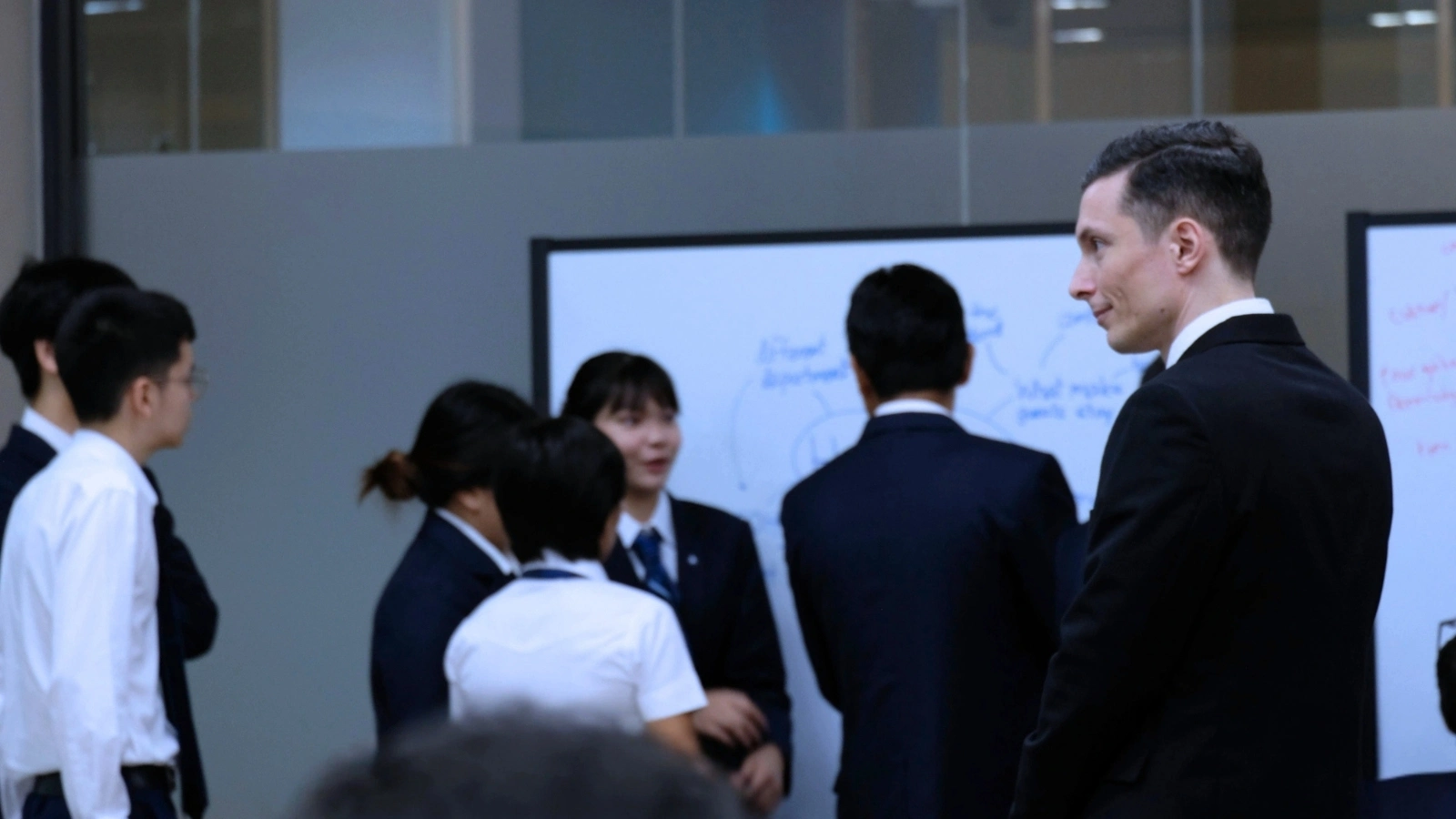
每篇博文都将在我结束授课后立即动笔……当白板上还布满灵感,当学生的问题仍在耳畔回响,当探索的热情依然鲜活之时。
Think of this series as a live learning lab for hospitality professionals across Asia who want to think like entrepreneurs. Launch a new venture, or transform the one you already lead. You’ll gain critical insights for doing both. You might not have the benefit of being one of our postgrad students, but that doesn’t mean you can’t learn from the insights we explore. AIHM is dedicated to elevating the hospitality industry in Asia as a whole, inside and beyond our classrooms.
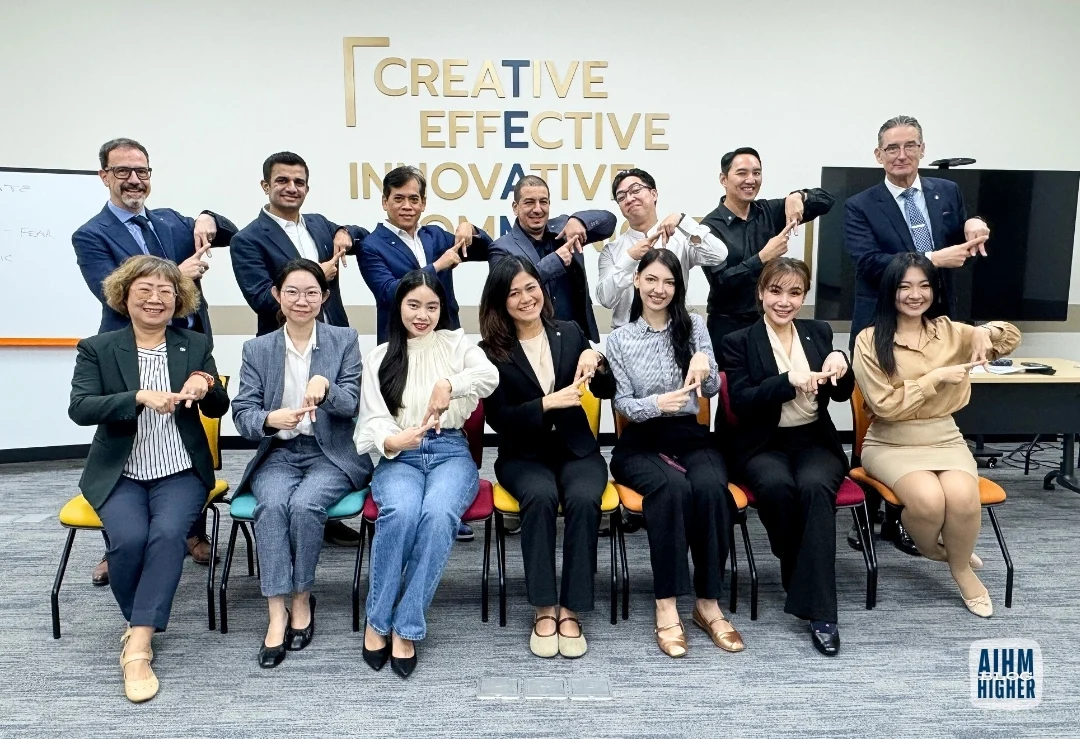
无论您是新加坡的酒店业人士,正考虑推出自己的创意概念;还是马尼拉的酒店经理,希望在组织内部实现创新;或是普吉岛的餐厅老板,试图在竞争激烈的市场中脱颖而出;抑或是单纯对商业运作充满好奇——本系列内容都将为您而生。
请明白:这门课程并非在追逐海市蜃楼。我们专注于为有志创业者提供切实可行的商业课程,涵盖以下实用内容:
- 如何像酒店业企业家那样思考。
- 如何发现他人忽略的机会。
- 在押上全部赌注之前,如何检验你的假设。
- 如何构建真正有效的商业模式。
Our approach in the course and the blog series is evidence-based. We’re going to use proven tools like the Business Model Canvas, Value Proposition Design, and Lean Startup methodology. And yes, we’re going to leverage AI as a thinking partner along the way.

关于“创业精神”的困惑
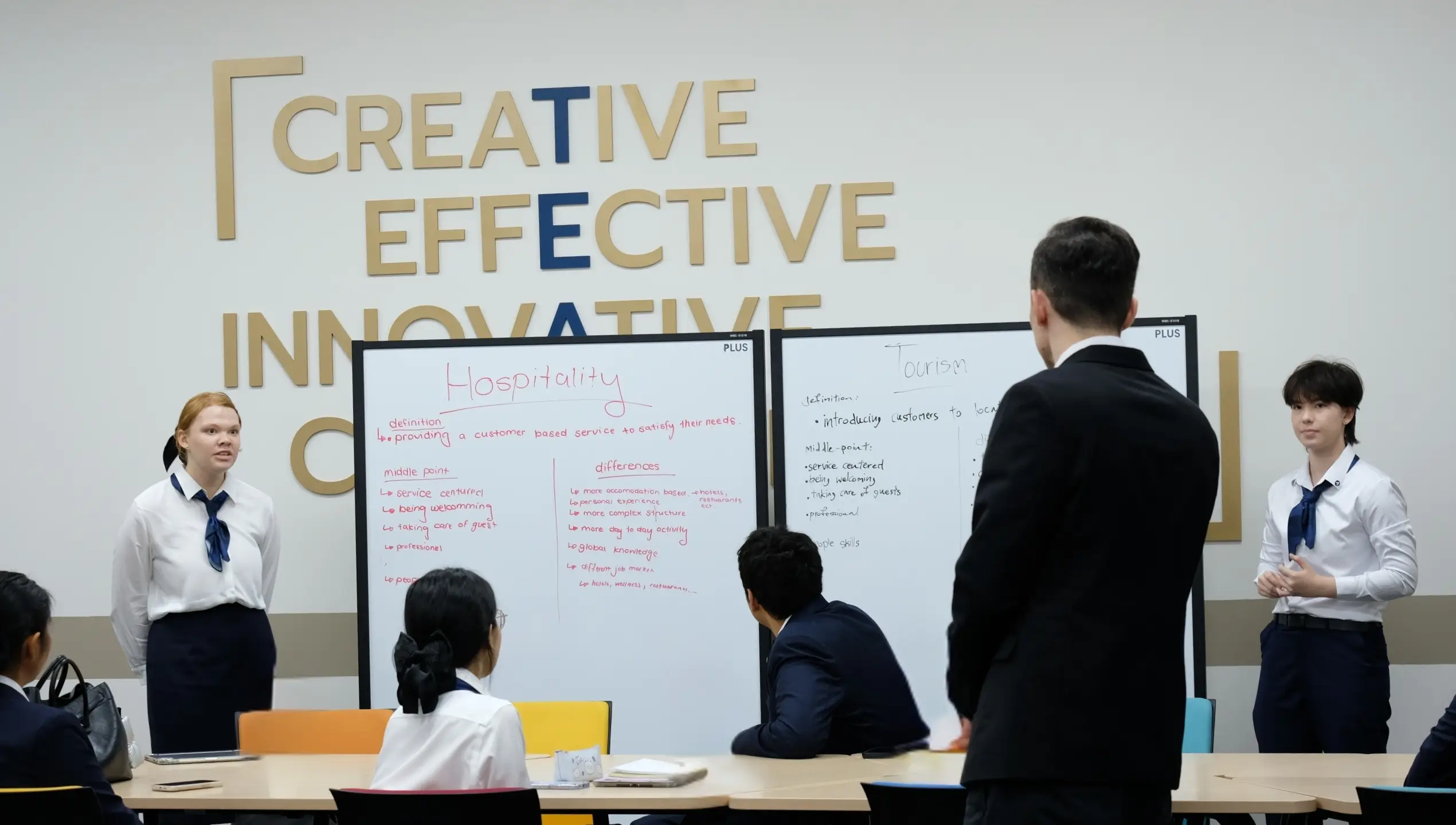
在我的第一堂课上,我总是从一个简单的练习开始。我问学生们:“听到‘创业精神’这个词时,你们脑海中会浮现哪个词?”
这些答案耐人寻味。"创新!""创造力!""冒险!""史蒂夫·乔布斯!""初创企业!""科技!"
这些说法倒也不算错,但不够全面。它们混淆了若干概念,而我们若想清晰思考创业问题,就必须将这些概念区分开来。
Here’s the problem: we use creativity, invention, innovation, and entrepreneurship almost interchangeably in everyday conversation. However, they’re not actually same thing. Mixing up these concepts leads to confusion and poor decision-making.
Let me introduce you to what I call the C-I-I-E Framework, a way of understanding how these four concepts relate to each other and build upon one another:
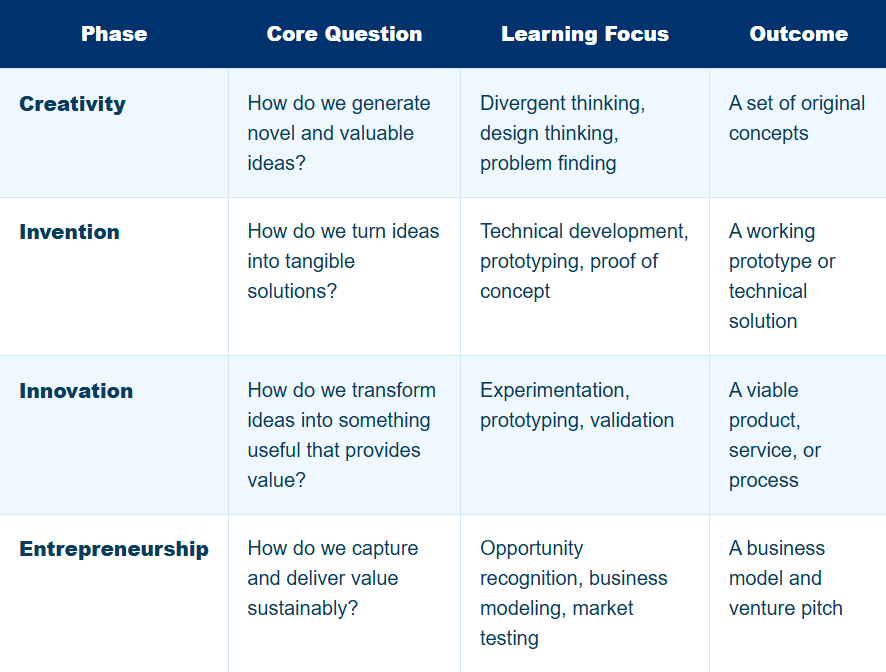
请注意其发展过程:
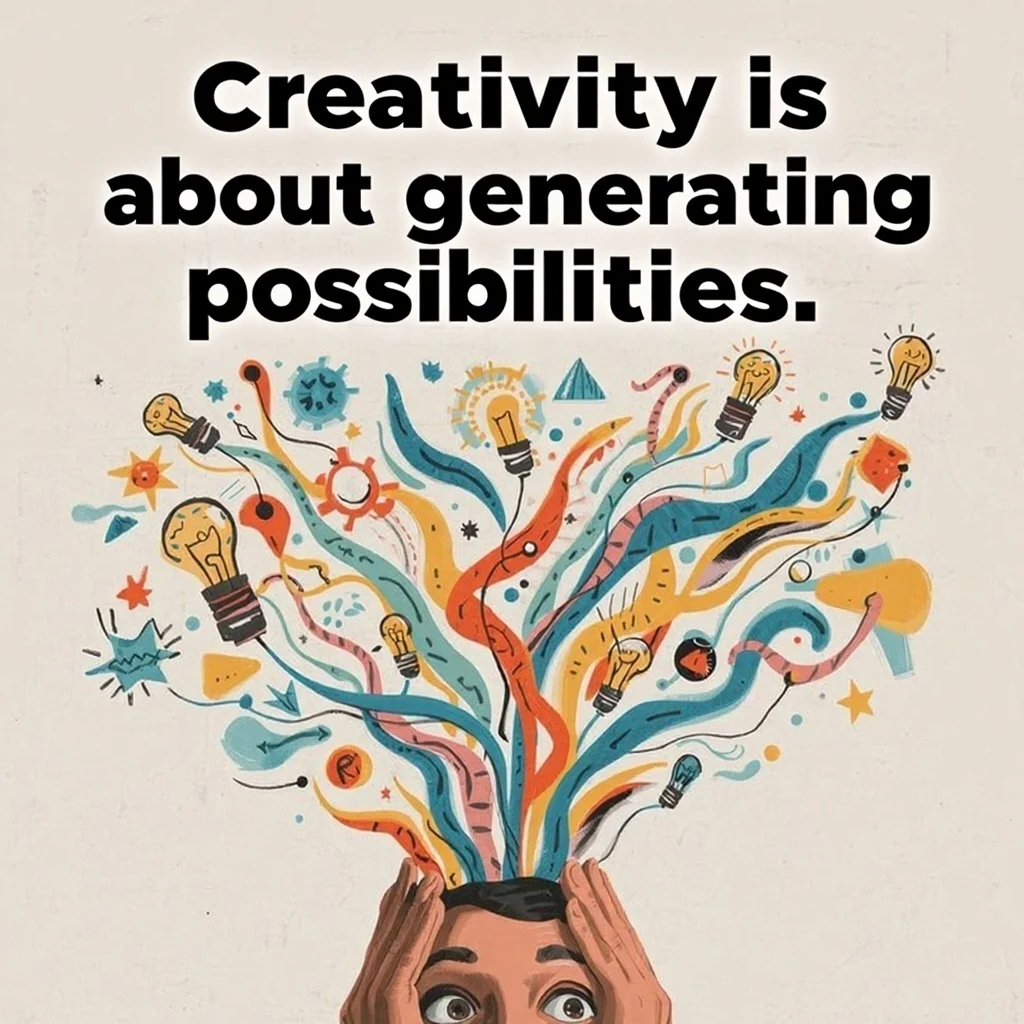
- Creativity is about generating possibilities.
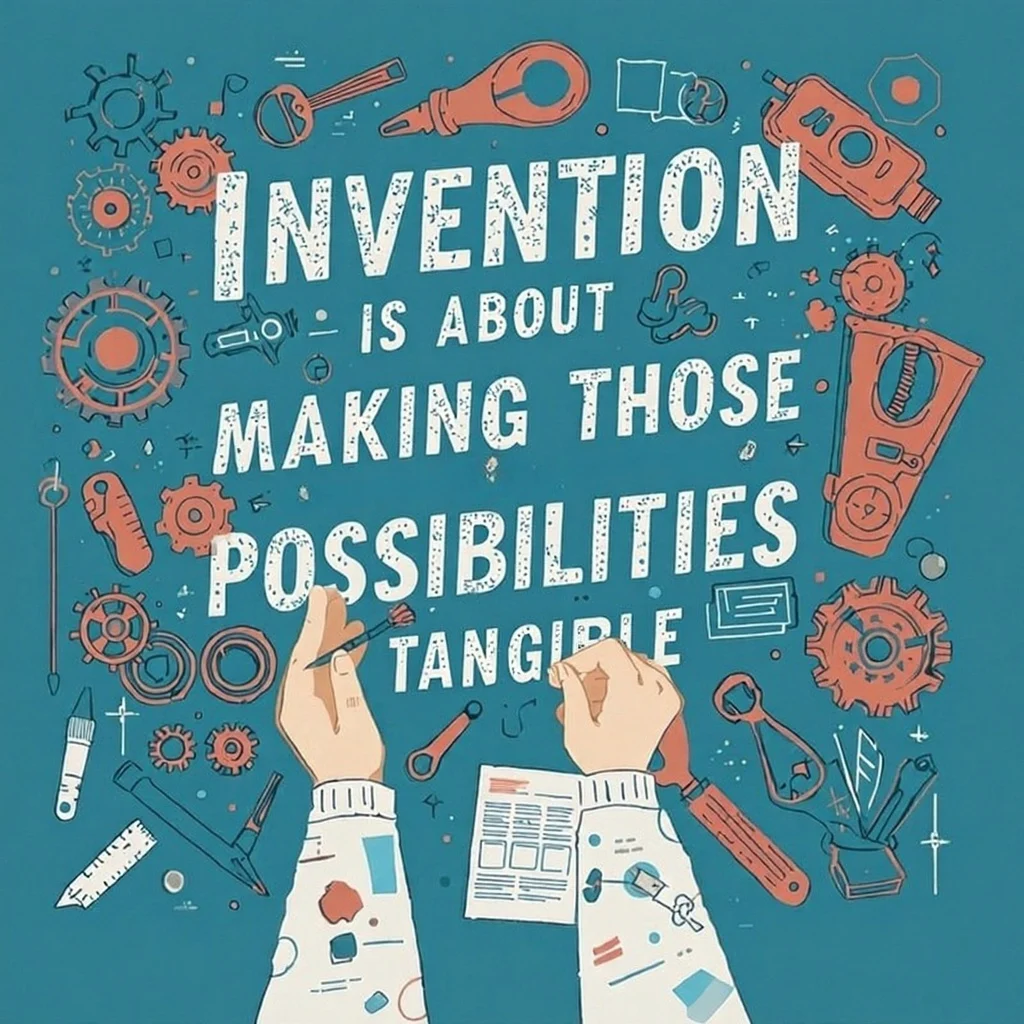
- Invention is about making those possibilities tangible.
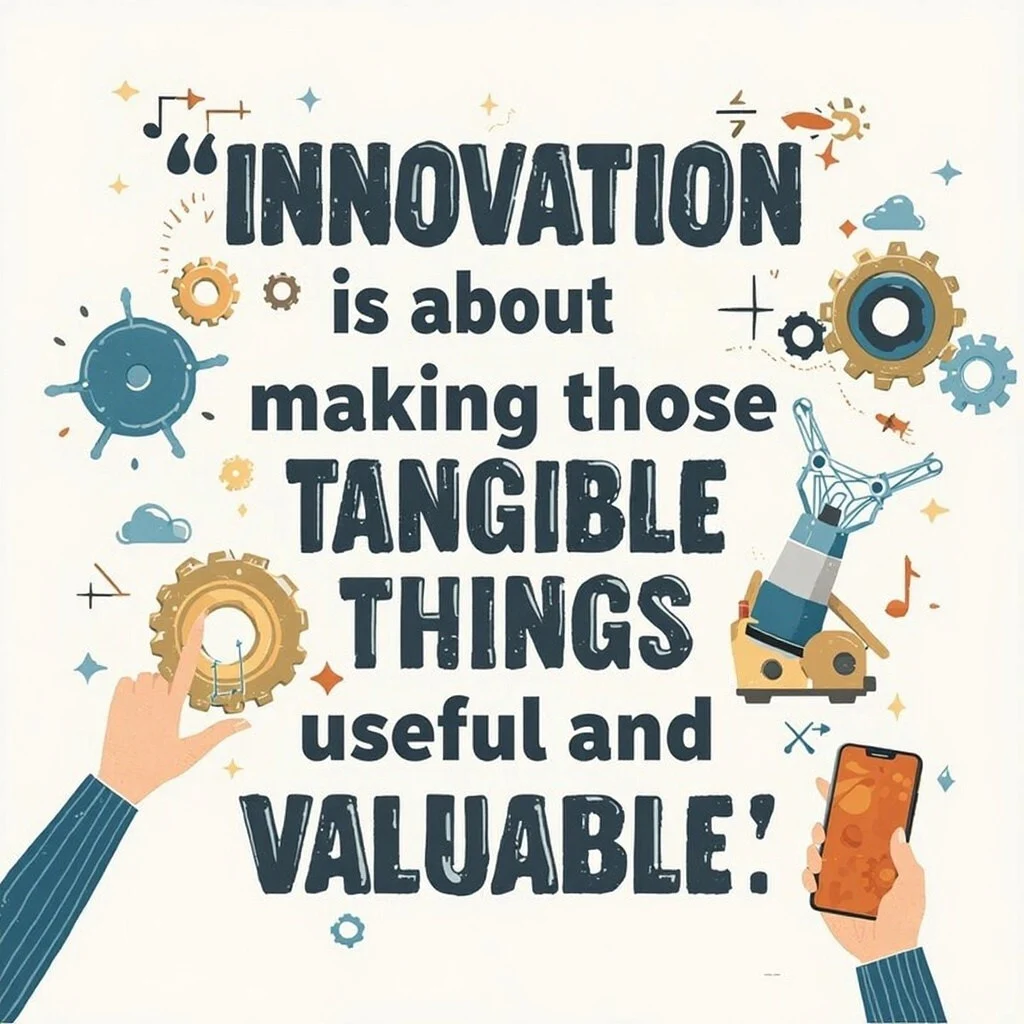
- Innovation is about making those tangible things useful and valuable.
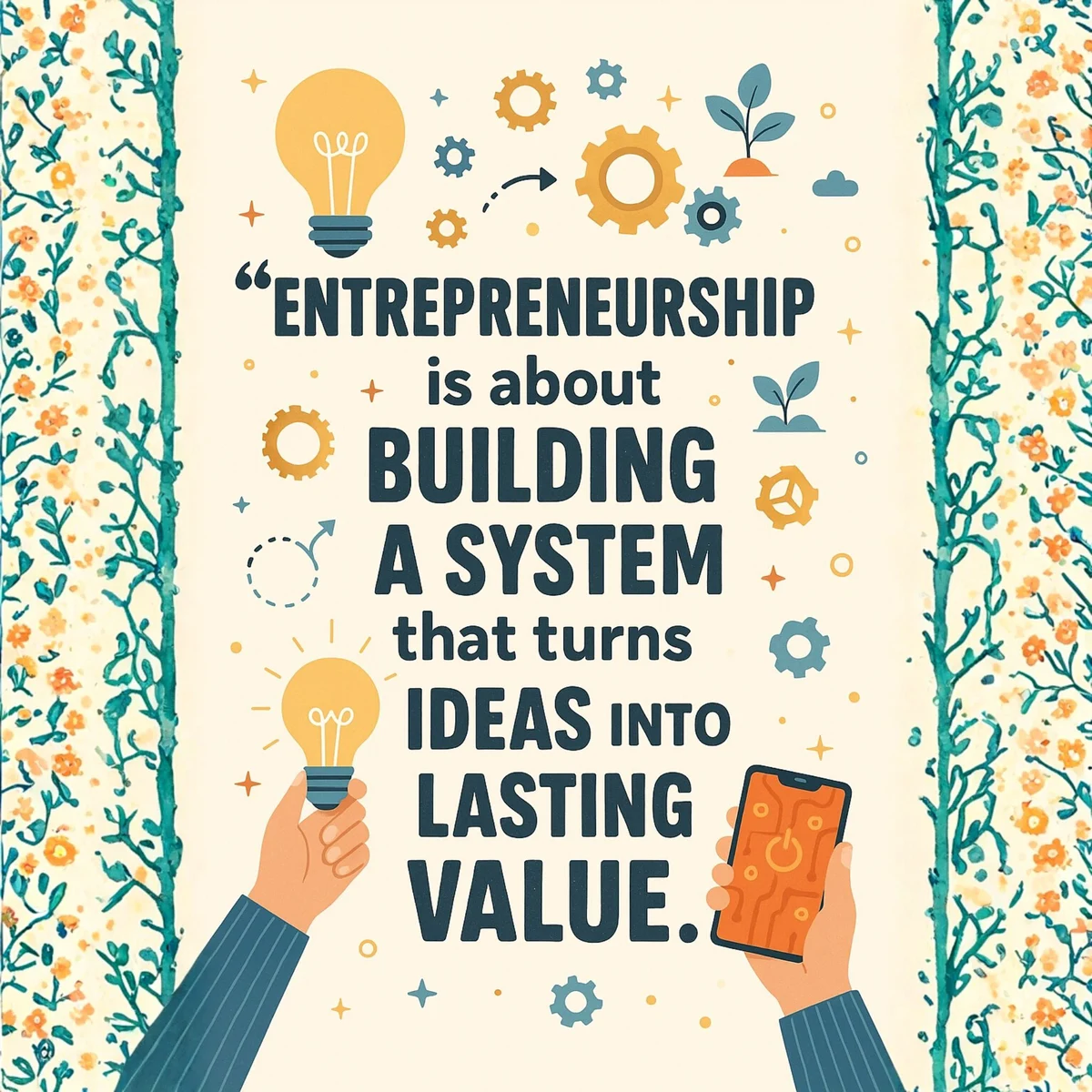
- Entrepreneurship, our core goal, is about building a sustainable system to deliver that value to customers and capture some of it back as revenue.
这四种行动并非总是相辅相成。你可以富有创造力却不具备创业精神;你可以发明创造却未实现创新突破;你可以推动创新却未能建立商业体系。每个阶段都需要不同的技能、不同的思维方式、不同的工具。
当学生们领悟到这种区别时,他们恍然大悟。他们终于明白,为什么仅凭一个"好点子"远远不够。他们开始理解,创业精神并非仅靠灵感就能蓬勃发展,唯有通过严谨的执行才能真正落地生根。
技术造诣固然重要,但它并不能自动转化为商业成功。在本课程中,学生们将认识到:创业的精髓不在于灵光乍现的顿悟时刻,而在于验证、迭代和商业模式设计等艰苦卓绝的实践过程。
初创企业的神话——以及酒店创业的现实
当大多数人听到"创业"一词时,脑海中浮现的往往是硅谷的景象:创始人、风险投资、颠覆性创新。但在酒店业,创业的模样——乃至体验——截然不同。
If we only study the tech startup playbook, we miss what actually matters for creating successful hospitality ventures. Entrepreneurship in hospitality centres on creating sustainable value through experiences, empathy and execution.
几个例子:
- 那位开办深夜甜品咖啡馆的咖啡师,只因无人涉足这个小众领域。
- 负责设计创新宾客体验原型,以提升入住率和宾客满意度的总经理。
- 那位制定内部服务理念并将其发展为全品牌行动的餐饮经理。
- 将成熟特许经营模式本土化,成功进军东南亚市场的餐饮经营者。
每个人都是企业家——有些在公司内部创业,有些则独立经营。


You don’t need to invent new technology. You need to identify opportunities, validate them, and build models that deliver value to both guests and your business.
Your opportunity might take the form of opening an independent restaurant or hotel, taking an existing franchise into a new market, creating a new service delivery model, reimagining guest experiences with a new boutique concept, or innovating within an existing organisation (intrapreneurship).
发现酒店业机遇的三大视角
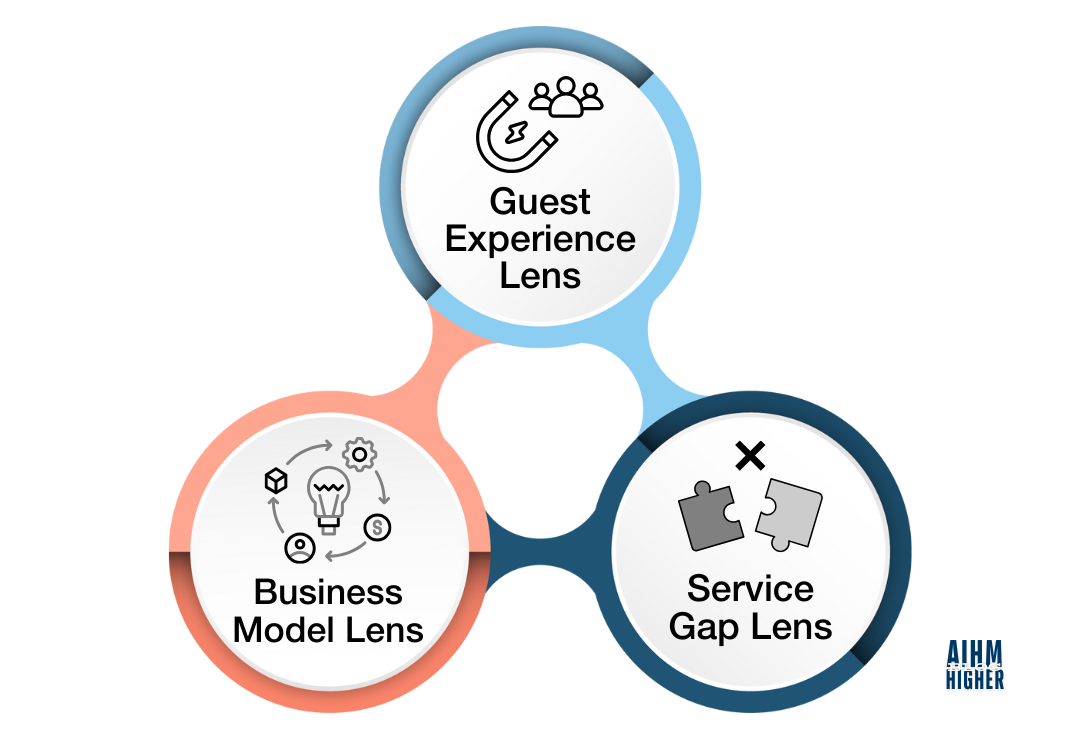
那么,如何在酒店业中识别创业机会?在我们的课程中,我教导学生通过三个不同的视角来观察:
1. 访客体验视角
请自问:我们如何为客人创造或提升难忘的体验?
这可能意味着设计一家提供超个性化服务的精品酒店,或是打造通过美食与氛围讲述动人故事的餐厅体验。机遇在于提供现有供应商尚未提供或未能充分提供的体验。
2. 服务缺口透镜
问自己:市场上存在哪些未满足的需求?客户在哪些方面感到沮丧?他们需要完成哪些工作,而现有服务却未能解决?
外卖应用正是基于这种视角应运而生。它们洞察到顾客渴望在家享用餐厅美食,但餐厅却缺乏高效配送的条件。
3. 商业模式视角
问问自己:是否存在创造和获取价值的新途径?
爱彼迎并未开创酒店业或住宿服务。他们创造了一种全新的商业模式,通过连接房东与房客,为双方创造价值。有时创新不在于提供什么,而在于如何提供以及如何从中获利。
We map these three lenses map onto the Entrepreneurial Thought & Action framework developed by Marc Rice and colleagues at Babson College. Applying the framework, we create success by aligning:
- 产品或服务 ↔ 市场:你提供什么以及谁需要它
- 人员与组织:执行团队及架构
- 资源与资本:启动和扩展所需的资产
Beyond having a ‘brilliant idea’, entrepreneurship is about recognising where these various elements can come together in a way that creates and captures value. This framework will guide us throughout the entire 12-week journey.
企业家精神:来自内部的创业
对许多专业人士而言,创业之路始于他们当前所在的组织。
As Harvard Business Review explains, intrapreneurs are individuals who innovate from inside organisations—launching new ideas, redesigning services, or improving processes that make their companies better.
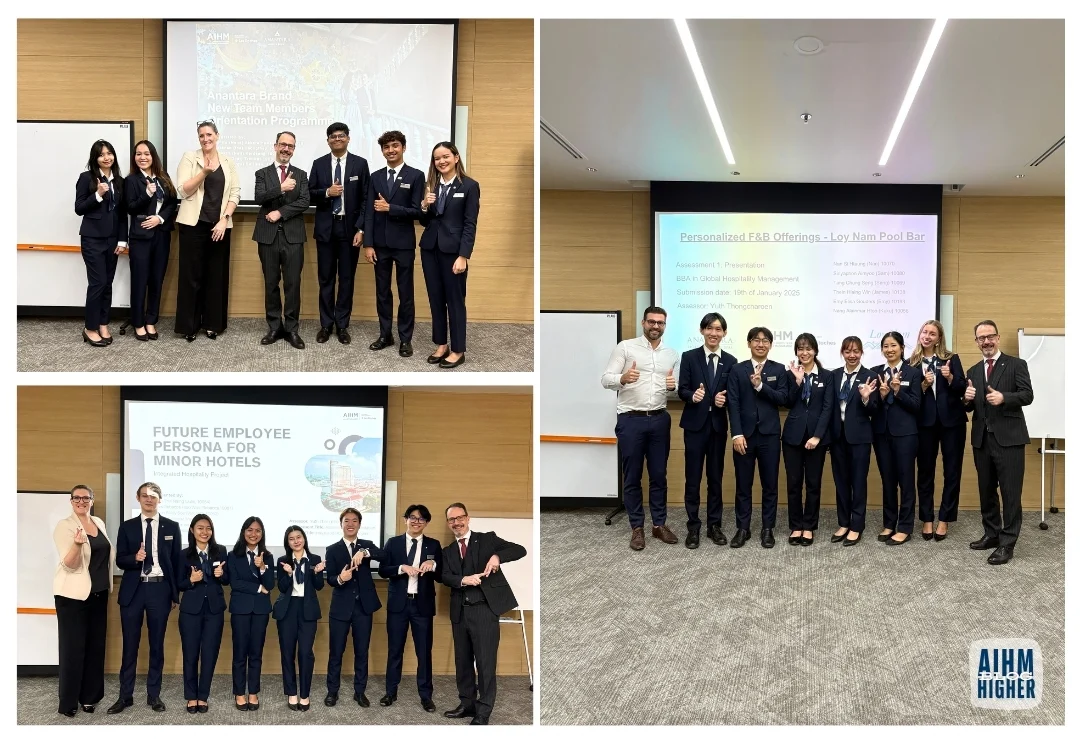
许多学生都是从这里起步的。他们测试新的宾客体验试点项目,向管理层提出创收方案,或是设计出可后期扩展的小型效率改进方案。这些"微型创业"往往能带来晋升机会和新的领导岗位。
人工智能作为思考伙伴
Throughout the course, the entrepreneurial students will leverage tools like ChatGPT and Claude to assist with market research, customer persona development, competitive analysis, and business model iteration. But—and this is critical—they’ll be doing so strategically, using the 4 Cs framework we’ve mentioned:
- 与人工智能协作
- 交叉核对其输出结果
- 批判其前提
- Customise everything to their specific context.
To be clear: letting AI do all the work…doesn’t work.
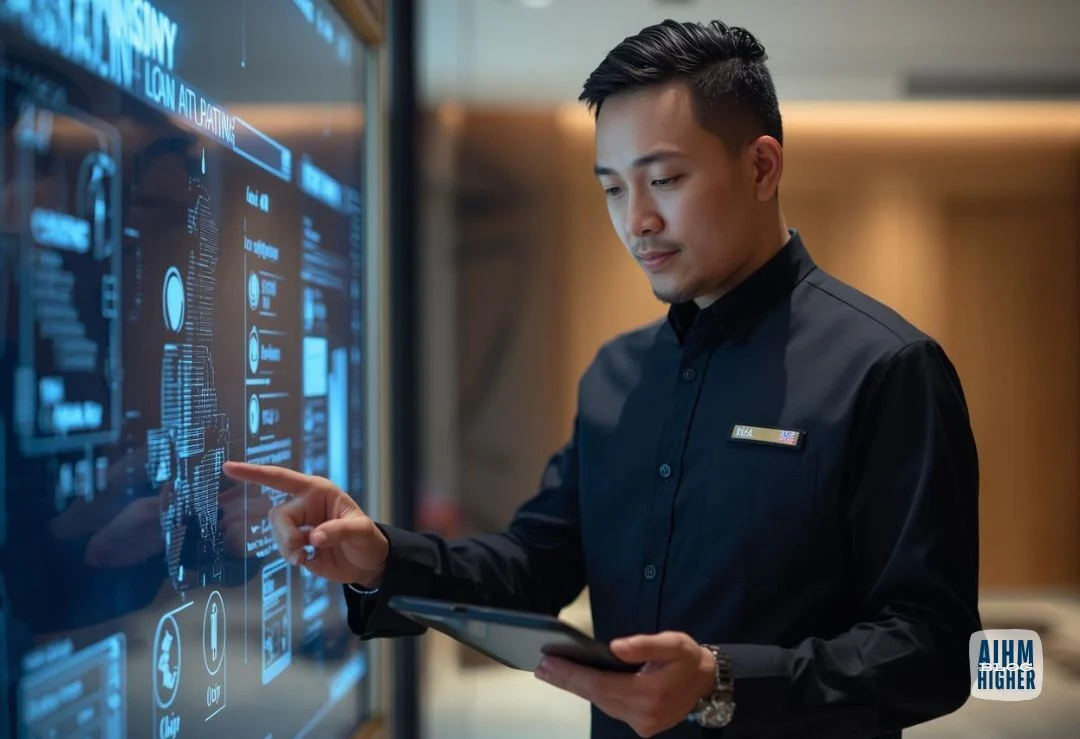
我们的方法在于运用人工智能更智能地工作、更快地测试、更深入地思考。人工智能赋能敏捷性。有效运用人工智能的关键在于人类的解读——以唯有人类才能提供的洞察力、同理心和情境理解来运用它。
During this academic term, our Entrepreneurship and Business Modelling students are learning how to strike this balance to super-charge their entrepreneurial activities in the hospitality sector.
接下来会发生什么
在接下来的三个月里,我将带您完整体验创业历程——正如我指导学生时所传授的那样。我们将共同探索以下内容:
第1-4周:探索
- 机遇识别与创意构思技巧
- 客户发现与验证方法
- 价值主张设计
- 理解客户痛点、收益点及待完成任务
第5-8周:设计与测试
- 商业模式画布与商业模式生成
- 实验与最小可行产品(MVP)设计
- 初创企业融资与关键指标
- 团队动态、文化与创业领导力
第9-12周:优化与提案
- 高级实验设计与反馈回路
- 有效传达您的商业模式
- 音高发展与叙事
- 最终汇报与反思
每周,我将分享哪些举措行之有效、哪些现象出人意料、以及从中汲取的经验教训。我们将深入剖析全球行业框架与亚洲酒店业的本土实践。
诚邀您加入这场旅程
Whether you’re considering enrolling in our Postgraduate Diploma programme, you’re a hospitality professional looking to think more entrepreneurially, or you’re simply curious about how ventures are built in our industry, I invite you to follow along.
每周,我将分享课堂上的所学:理论框架、商业洞见、令人惊喜的瞬间,以及那些激发我们突破性思考的问题。我将带来亚洲乃至全球酒店业创业者的真实案例。在这些文章中,我将分享可立即应用于您工作的实用工具。
Follow the complete 12-week series on the AIHM Higher Blog, connect with me on LinkedIn, and explore how AIHM’s Postgraduate Diploma in International Hospitality Management can help you shape the next generation of hospitality innovation across Asia.
参考文献与资源
- Babson College. Entrepreneurial Thought & Action® Framework.
- McKinsey & Company (2025). The state of AI: How organizations are rewiring to capture value.
- Minor International. Our Businesses and Brands.
- Osterwalder, A. & Pigneur, Y. (2010). *Business Model Generation.* Wiley.
- Osterwalder, A., Pigneur, Y., Bernarda, G. & Smith, A. (2014). *Value Proposition Design.* Wiley.
- Pinchot, G. (2013, September). *Recognize Intrapreneurs.* Harvard Business Review.
- Ries, E. (2011). The Lean Startup. Crown Business.
系列之二
机遇识别与创意构思:如何发现他人忽略的机遇——我们将探讨类比优势、创造性思维技巧,以及在日常体验中发掘机遇的训练方法。