ฉันตื่นเต้นมาก นี่มันตื่นเต้นกว่าแบบ "เปิดเทอมใหม่ นักเรียนใหม่" ทั่วไปอีกนะ ถึงแม้ว่ามันจะทำให้รู้สึกมีพลังอยู่เสมอ แต่ครั้งนี้มันมีอะไรที่แตกต่างออกไป
This semester, I’m teaching Entrepreneurship with a twist: artificial intelligence as a collaborative partner in the learning journey.
If you’ve been following my writing, you know I’m passionate about AI in education. I’ve written extensively about this topic on the AIHM Higher blog.
In one previous post, I detailed how students can use AI strategically through what I call the 4Cs Framework—Collaborate, Cross-Check, Critique, and Customise. Now, I’m putting these principles into practice in our **Postgraduate Diploma** course on Entrepreneurship and Business Modelling here at the Asian Institute of Hospitality & Management (AIHM).
การเป็นผู้ประกอบการมาบรรจบกับปัญญาประดิษฐ์
เหตุใดจึงต้องจับคู่ AI กับการเป็นผู้ประกอบการ? เพราะทั้งสองอย่างมีดีเอ็นเอเดียวกัน นั่นคือ การทดลอง การปรับปรุงอย่างต่อเนื่อง การตัดสินใจบนพื้นฐานของหลักฐาน และการเปลี่ยนความไม่แน่นอนให้เป็นโอกาส
Throughout this 12-week journey, my Entrepreneurship students will use AI tools not to replace their thinking, but to amplify it. They’ll explore how AI can be leveraged to test assumptions faster, generate customer insights more efficiently, and prototype business models with greater agility.
This innovative approach feels right at home at AIHM. After all, our institute was built by entrepreneurs, for entrepreneurs.
สร้างสรรค์โดยผู้ประกอบการ เพื่อผู้ประกอบการ
AIHM มีดีเอ็นเอของผู้ประกอบการอยู่ในตัวอยู่แล้ว
We were established by Minor International, the lifestyle and hospitality giant founded by William (Bill) Heinecke, one of Asia’s most successful serial entrepreneurs. He created an empire. From Anantara and Avani hotels to NH Hotel Group, from restaurant brands to retail ventures, Mr. Heinecke embodies what it means to recognise opportunities and execute relentlessly.
In many ways, AIHM is an act of intrapreneurship—an educational innovation within the broader Minor ecosystem. We’re young, adaptive, and built to experiment.
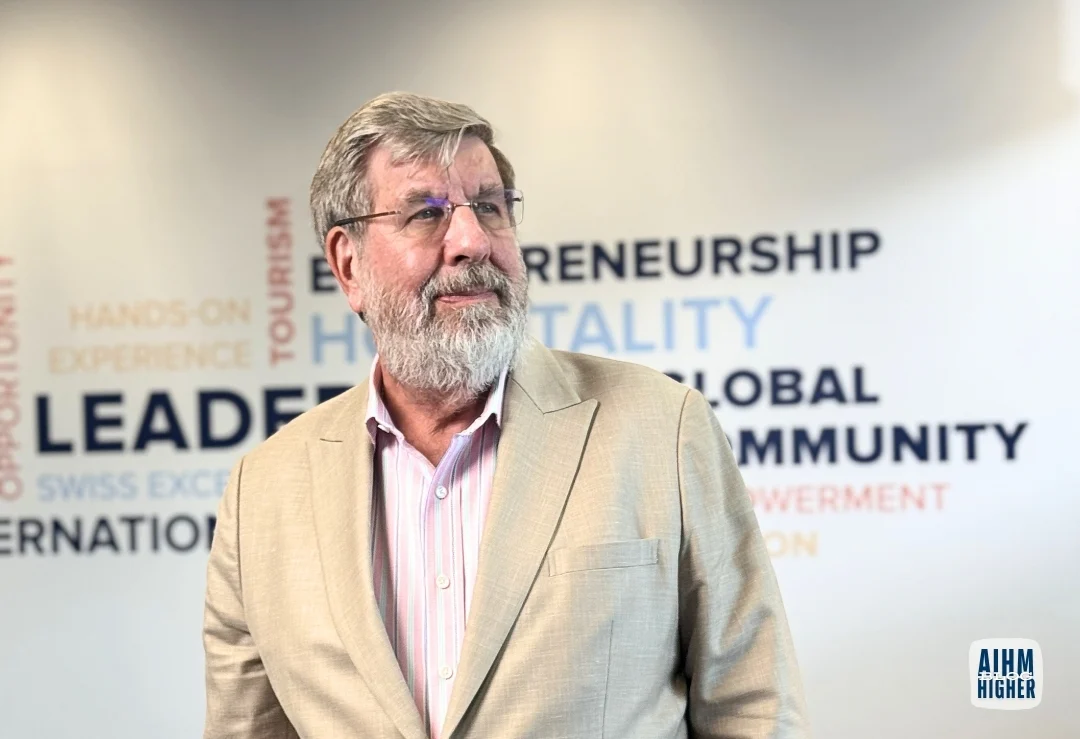
We combine Swiss educational excellence with Asian relevance, exploring what hospitality education can look like for the next generation of business leaders. We teach experienced and aspiring hospitality professionals what it takes to be leaders, innovators and entrepreneurs.
At AIHM, our own evolution as an institute mirrors what we teach: design, test, learn, and adapt.
นั่นคือจิตวิญญาณที่ผมนำมาใช้ในห้องเรียน และเป็นสิ่งที่ผมอยากแบ่งปันกับคุณผ่านชุดบทความนี้
เส้นทางสู่การเป็นผู้ประกอบการ 12 สัปดาห์ของคุณ
Starting today, I’m launching a new blog series that will take you through the entire learning arc of our Postgraduate Diploma course on Entrepreneurship and Business Modelling. I’ll take you inside the classroom as we explore entrepreneurship in hospitality from the ground up.
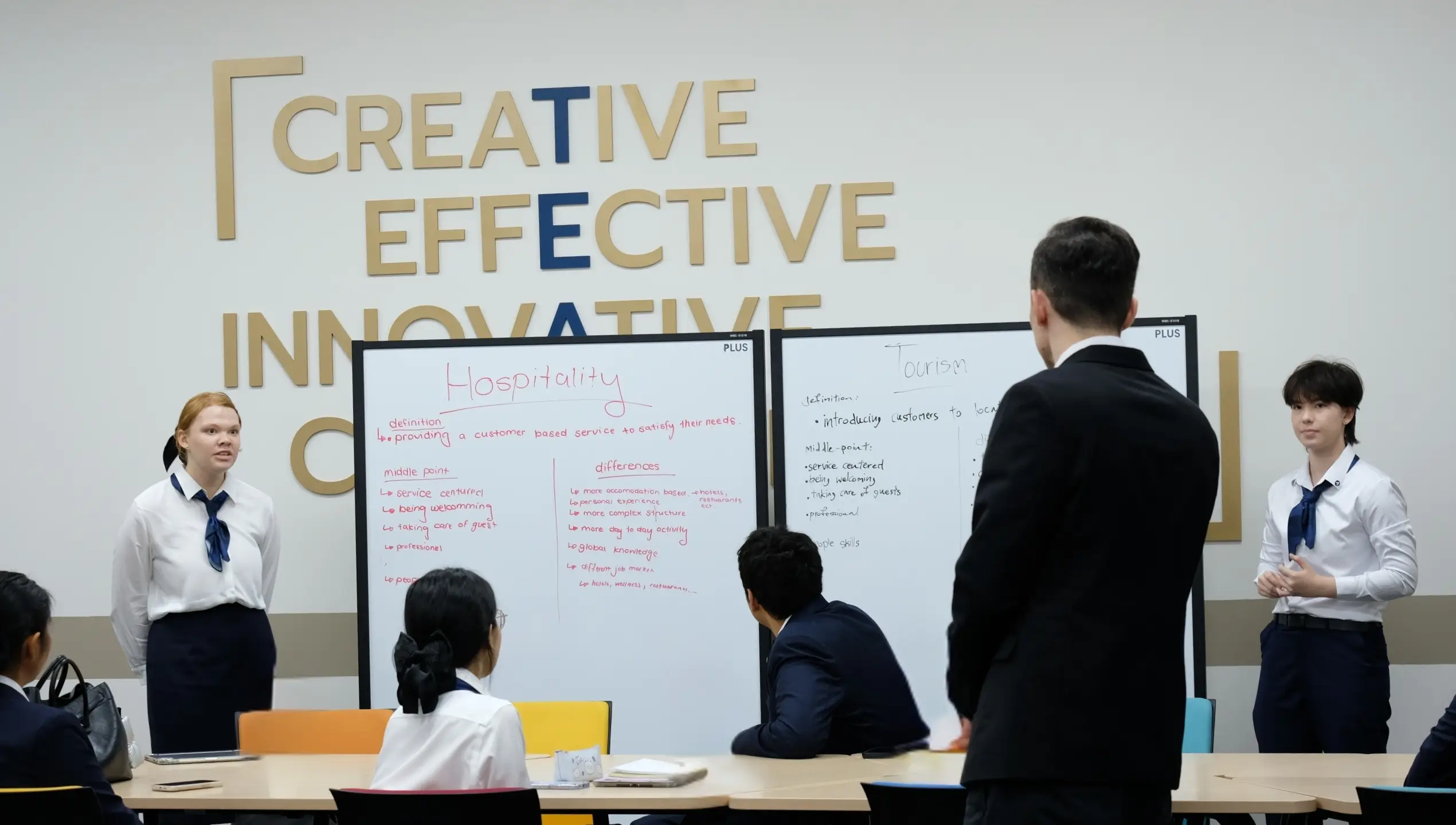
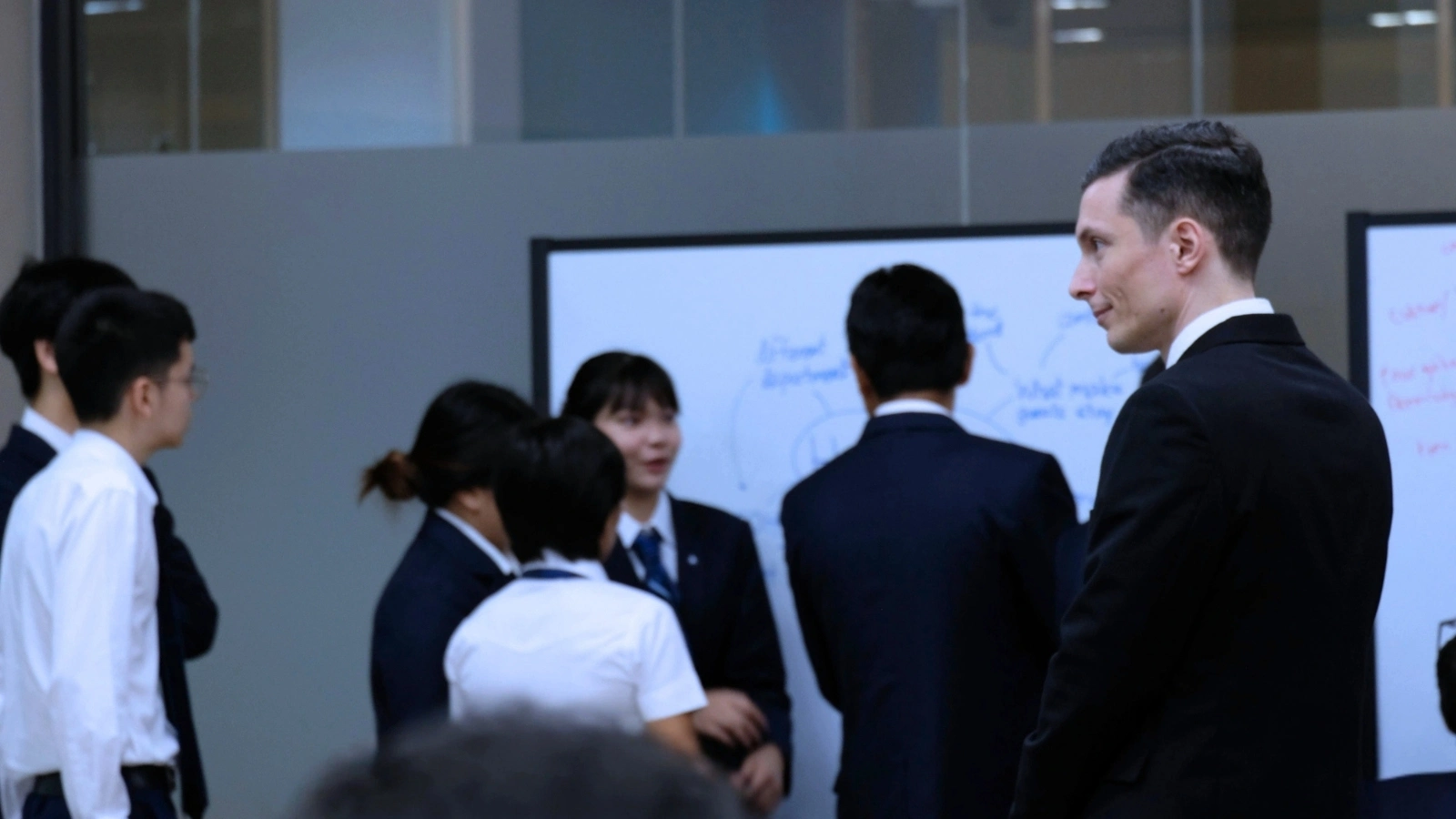
แต่ละโพสต์จะถูกเขียนขึ้นทันทีหลังจากที่ฉันสอนเสร็จ...ในขณะที่กระดานไวท์บอร์ดยังเต็มไปด้วยไอเดีย ในขณะที่คำถามของนักเรียนยังคงดังก้อง และในขณะที่พลังแห่งการค้นพบยังคงสดใหม่
Think of this series as a live learning lab for hospitality professionals across Asia who want to think like entrepreneurs. Launch a new venture, or transform the one you already lead. You’ll gain critical insights for doing both. You might not have the benefit of being one of our postgrad students, but that doesn’t mean you can’t learn from the insights we explore. AIHM is dedicated to elevating the hospitality industry in Asia as a whole, inside and beyond our classrooms.
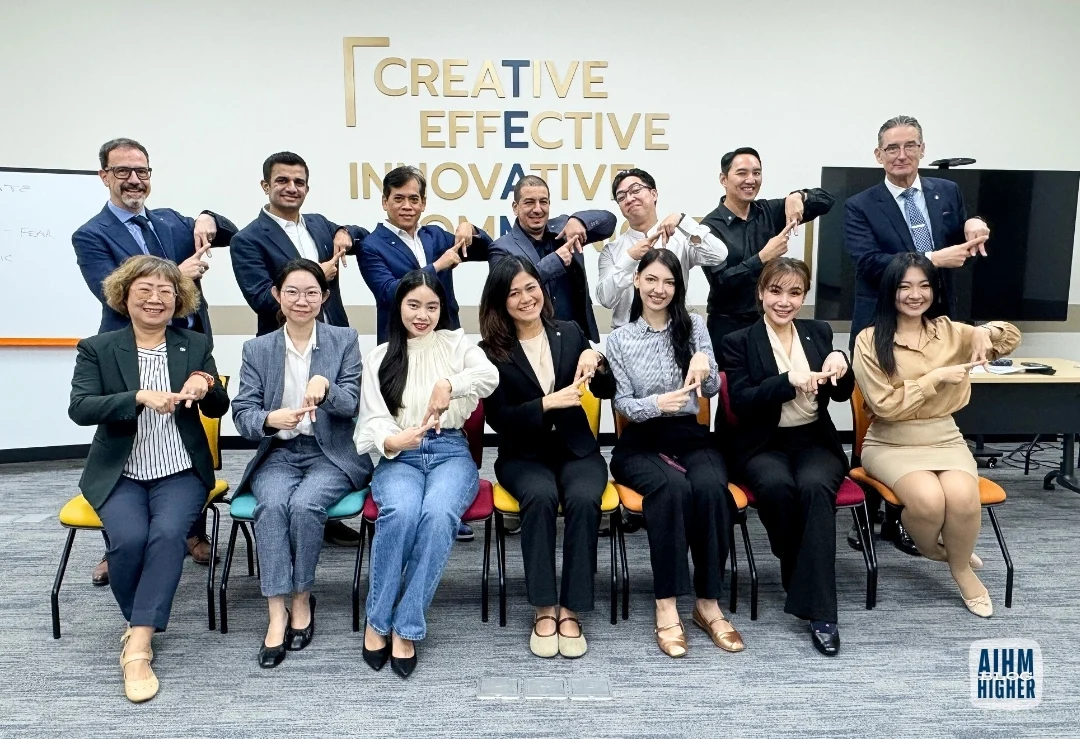
ไม่ว่าคุณจะเป็นผู้เชี่ยวชาญด้านการบริการในสิงคโปร์ที่กำลังคิดจะเปิดตัวแนวคิดใหม่ของตัวเอง ผู้จัดการโรงแรมในมะนิลาที่กำลังมองหานวัตกรรมภายในองค์กร เจ้าของร้านอาหารในภูเก็ตที่พยายามสร้างความแตกต่างในตลาดที่มีการแข่งขันสูง หรือเพียงแค่คนที่สนใจในวิธีการสร้างธุรกิจ ซีรีส์นี้เหมาะสำหรับคุณ
โปรดเข้าใจ: หลักสูตรนี้ไม่ได้มุ่งเน้นการไล่ล่าหาสิ่งที่เป็นไปได้ยาก เราเน้นที่บทเรียนทางธุรกิจที่ใช้งานได้จริงและเป็นประโยชน์สำหรับผู้ประกอบการรุ่นใหม่ บทเรียนต่างๆ เช่น:
- วิธีคิดแบบผู้ประกอบการในอุตสาหกรรมการบริการ
- วิธีสังเกตโอกาสที่คนอื่นมองข้าม
- วิธีทดสอบสมมติฐานของคุณก่อนที่จะทุ่มเงินเดิมพันทั้งหมด
- วิธีสร้างโมเดลธุรกิจที่ใช้งานได้จริง
Our approach in the course and the blog series is evidence-based. We’re going to use proven tools like the Business Model Canvas, Value Proposition Design, and Lean Startup methodology. And yes, we’re going to leverage AI as a thinking partner along the way.

ความสับสนเกี่ยวกับ 'การเป็นผู้ประกอบการ'
ในคาบเรียนแรกของฉัน ฉันมักจะเริ่มต้นด้วยแบบฝึกหัดง่ายๆ เสมอ ฉันถามนักเรียนว่า “เมื่อคุณได้ยินคำว่า 'ผู้ประกอบการ' คุณนึกถึงคำอะไร?”
คำตอบเหล่านั้นเผยให้เห็นอะไรหลายอย่าง “นวัตกรรม!” “ความคิดสร้างสรรค์!” “ความเสี่ยง!” “สตีฟ จ็อบส์!” “สตาร์ทอัพ!” “เทคโนโลยี!”
สิ่งเหล่านี้ไม่ได้ผิดเสียทีเดียว แต่ก็ไม่สมบูรณ์ พวกมันรวมเอาแนวคิดที่จำเป็นต้องแยกแยะให้ชัดเจนเข้าด้วยกัน หากเราต้องการคิดอย่างชัดเจนเกี่ยวกับการเป็นผู้ประกอบการ
Here’s the problem: we use creativity, invention, innovation, and entrepreneurship almost interchangeably in everyday conversation. However, they’re not actually same thing. Mixing up these concepts leads to confusion and poor decision-making.
Let me introduce you to what I call the C-I-I-E Framework, a way of understanding how these four concepts relate to each other and build upon one another:
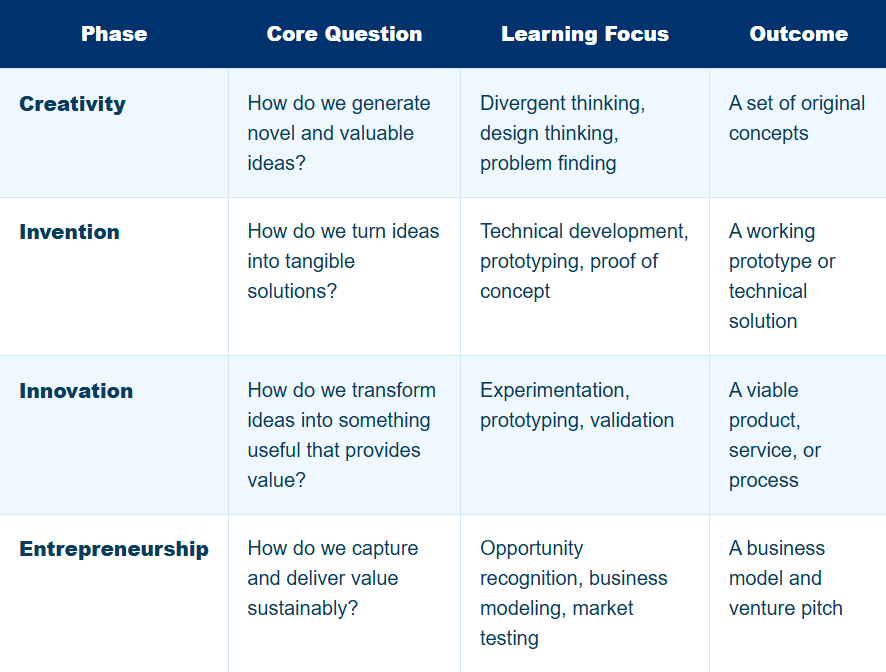
สังเกตลำดับการเปลี่ยนแปลง:
- Creativity is about generating possibilities.
- Invention is about making those possibilities tangible.
- Innovation is about making those tangible things useful and valuable.
- Entrepreneurship, our core goal, is about building a sustainable system to deliver that value to customers and capture some of it back as revenue.
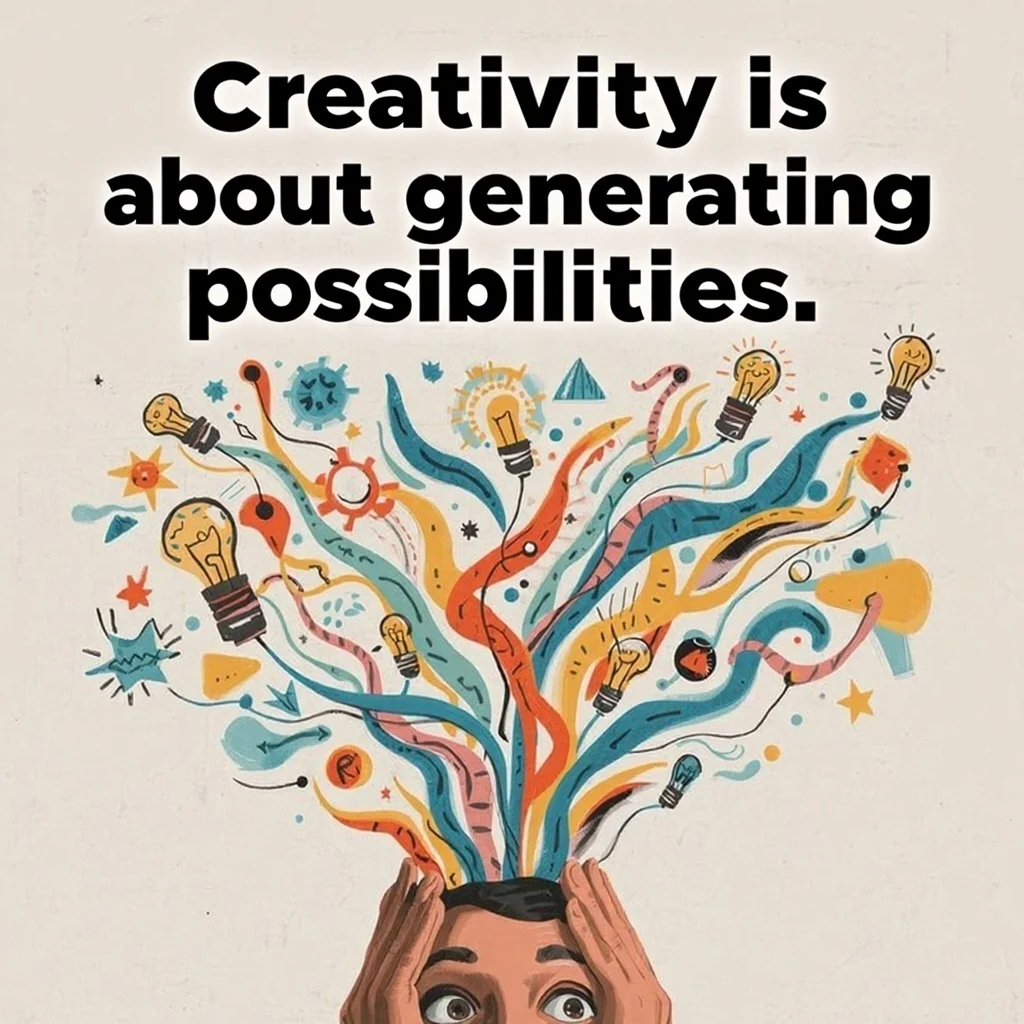
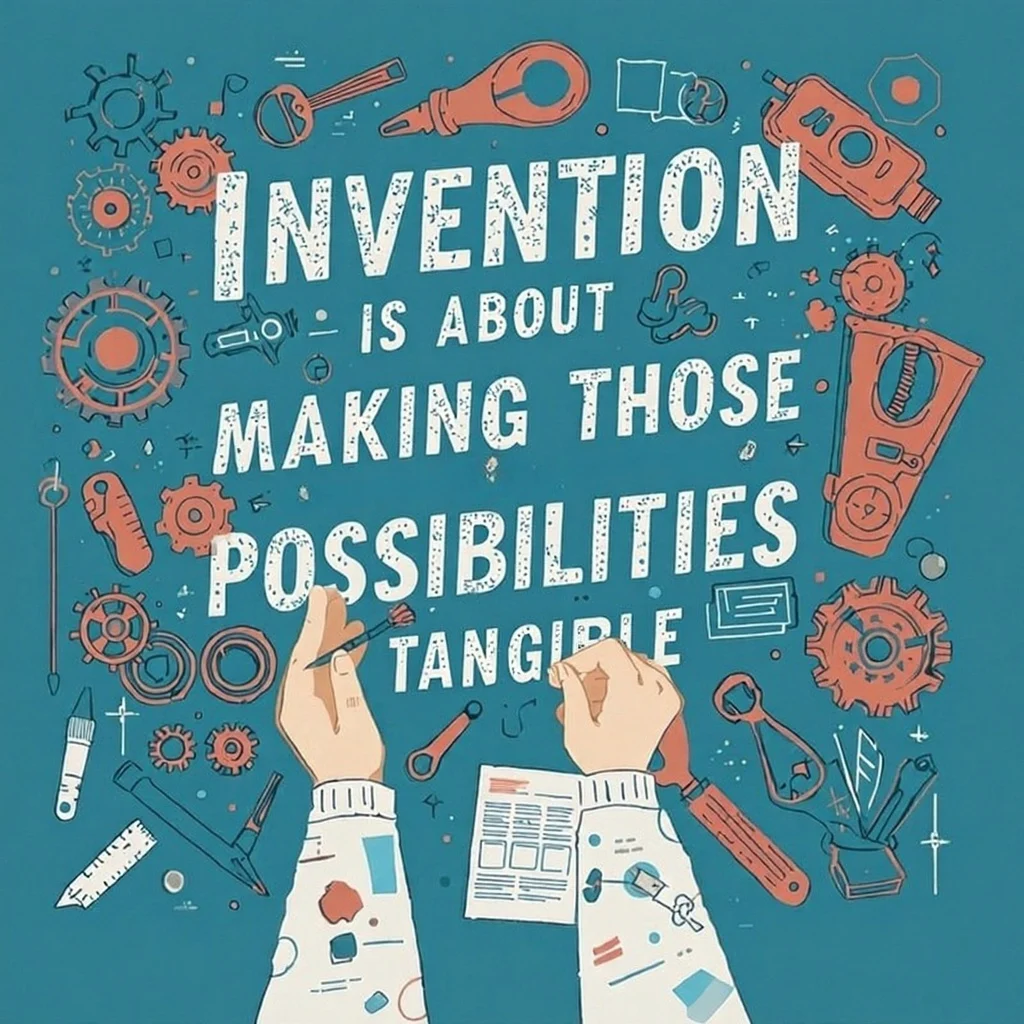
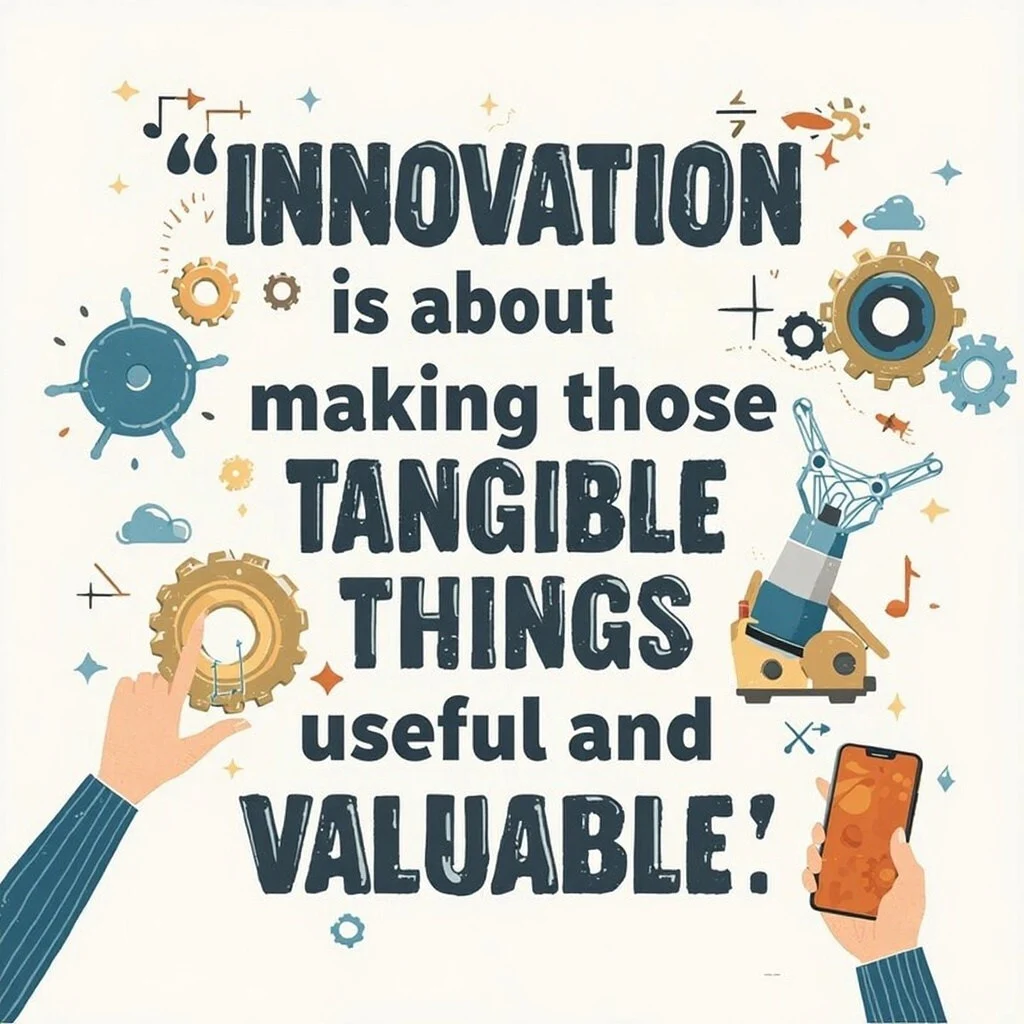
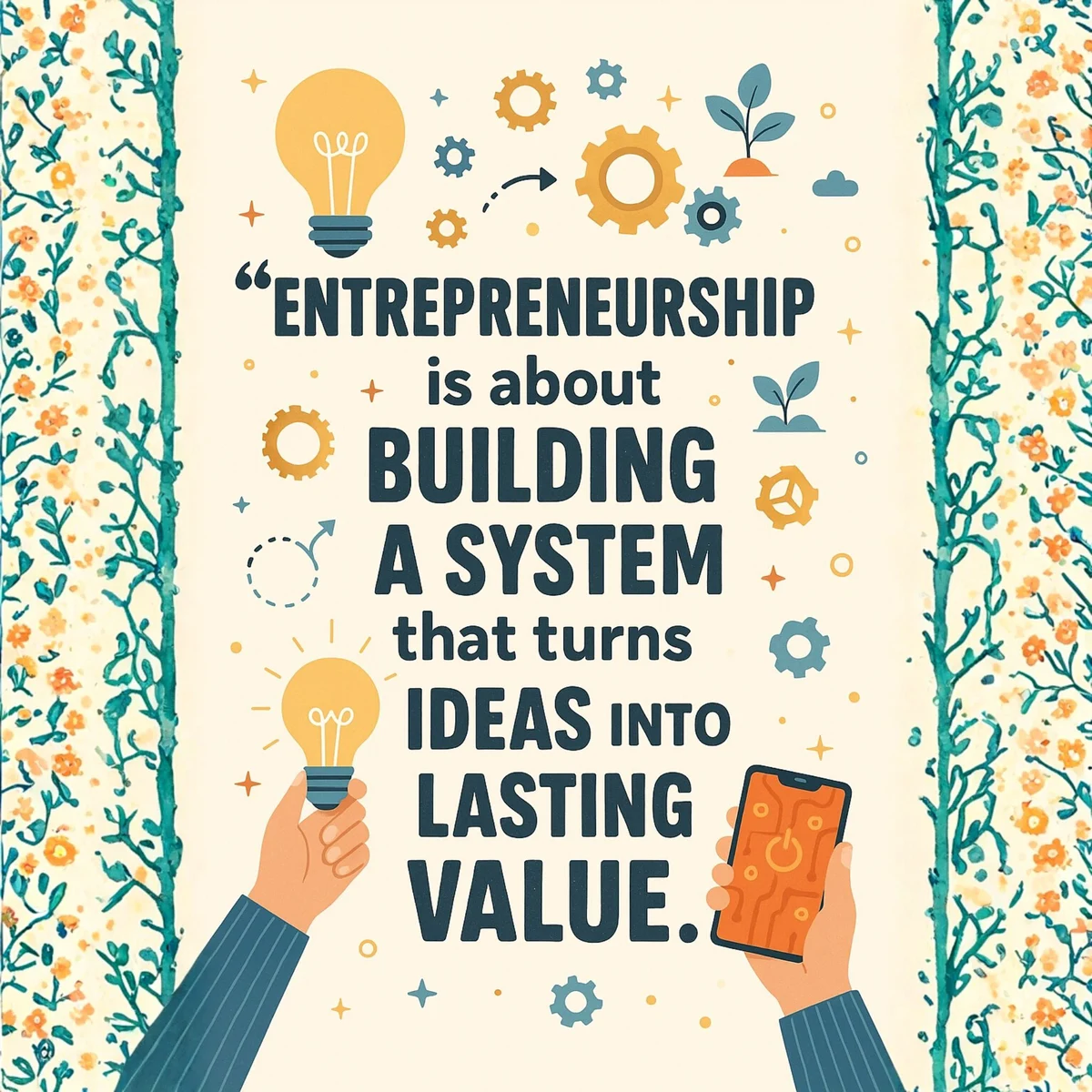
การกระทำทั้งสี่อย่างนี้ไม่จำเป็นต้องเกิดขึ้นพร้อมกันเสมอไป คุณสามารถมีความคิดสร้างสรรค์ได้โดยไม่ต้องเป็นผู้ประกอบการ คุณสามารถประดิษฐ์สิ่งใหม่ได้โดยไม่ต้องสร้างนวัตกรรม คุณสามารถสร้างนวัตกรรมได้โดยไม่ต้องสร้างธุรกิจ แต่ละขั้นตอนต้องการทักษะ ความคิด และเครื่องมือที่แตกต่างกัน
เมื่อนักเรียนเห็นความแตกต่างนี้ พวกเขาจะเกิดความคิดใหม่ พวกเขาจะตระหนักว่า "ไอเดียที่ยอดเยี่ยม" เพียงอย่างเดียวไม่เพียงพอ พวกเขาจะเข้าใจว่าการเป็นผู้ประกอบการไม่ได้เติบโตได้ด้วยแรงบันดาลใจเพียงอย่างเดียว แต่จะเกิดขึ้นได้ด้วย การลงมือทำ อย่างมีระเบียบวินัย
ความเชี่ยวชาญทางเทคนิคเป็นสิ่งสำคัญ แต่ไม่ได้หมายความว่าจะนำไปสู่ความสำเร็จทางธุรกิจโดยอัตโนมัติ ในหลักสูตรนี้ นักเรียนจะได้เรียนรู้ว่าการเป็นผู้ประกอบการนั้นไม่ได้ขึ้นอยู่กับช่วงเวลาแห่งการค้นพบที่ยิ่งใหญ่ แต่ขึ้นอยู่กับการทำงานหนักในการตรวจสอบ การปรับปรุง และการออกแบบโมเดลธุรกิจมากกว่า
ตำนานของสตาร์ทอัพ—และความเป็นจริงของการเป็นผู้ประกอบการในธุรกิจบริการ
เมื่อคนส่วนใหญ่ได้ยินคำว่า “การเป็นผู้ประกอบการ” พวกเขามักนึกถึงซิลิคอนแวลลีย์: ผู้ก่อตั้ง บริษัทร่วมทุน และการเปลี่ยนแปลงครั้งใหญ่ แต่การเป็นผู้ประกอบการในธุรกิจโรงแรมและการบริการนั้นดูและรู้สึกแตกต่างออกไป
If we only study the tech startup playbook, we miss what actually matters for creating successful hospitality ventures. Entrepreneurship in hospitality centres on creating sustainable value through experiences, empathy and execution.
ตัวอย่างบางส่วน:
- บาริสต้าที่เปิดร้านคาเฟ่ของหวานเปิดดึก เพราะไม่มีใครให้บริการในตลาดเฉพาะกลุ่มนี้มาก่อน
- ผู้จัดการทั่วไปที่คิดค้นต้นแบบประสบการณ์ใหม่ๆ สำหรับแขกผู้เข้าพัก เพื่อเพิ่มอัตราการเข้าพักและความพึงพอใจของแขก
- ผู้จัดการฝ่ายอาหารและเครื่องดื่มที่พัฒนารูปแบบการบริการภายในองค์กร ซึ่งต่อยอดไปสู่โครงการระดับแบรนด์โดยรวม
- เจ้าของร้านอาหารที่นำแฟรนไชส์ที่ประสบความสำเร็จมาปรับให้เข้ากับตลาดเอเชียตะวันออกเฉียงใต้
แต่ละคนล้วนเป็นผู้ประกอบการ บางคนทำงานอยู่ในบริษัท บางคนทำธุรกิจส่วนตัว


You don’t need to invent new technology. You need to identify opportunities, validate them, and build models that deliver value to both guests and your business.
Your opportunity might take the form of opening an independent restaurant or hotel, taking an existing franchise into a new market, creating a new service delivery model, reimagining guest experiences with a new boutique concept, or innovating within an existing organisation (intrapreneurship).
สามมุมมองในการมองหาโอกาสในธุรกิจบริการ
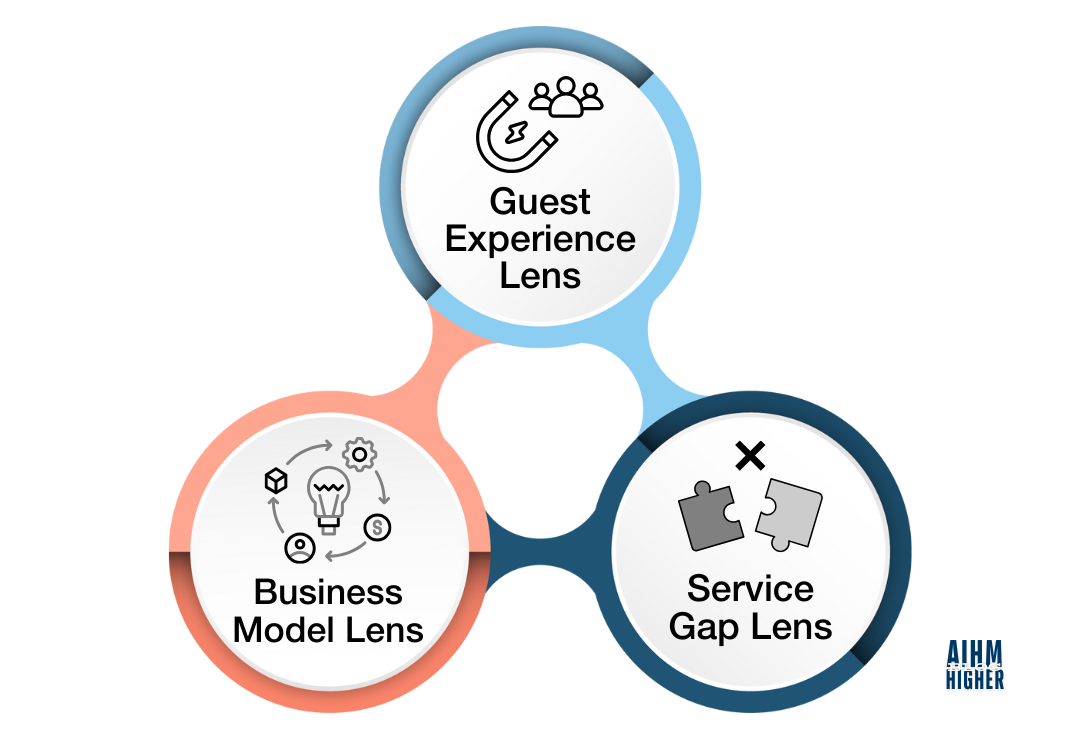
แล้วเราจะระบุโอกาสทางธุรกิจในธุรกิจโรงแรมได้อย่างไร? ในหลักสูตรของเรา ผมสอนให้นักเรียนมองผ่านมุมมองที่แตกต่างกันสามประการ:
1. มุมมองประสบการณ์ของแขก
ลองถามตัวเองดูว่า: เราจะสร้างหรือปรับปรุงประสบการณ์ที่น่าจดจำสำหรับแขกได้อย่างไร?
นี่อาจหมายถึงการออกแบบคอนเซ็ปต์โรงแรมบูติกที่ให้บริการเฉพาะบุคคลอย่างยิ่ง หรือการสร้างประสบการณ์ร้านอาหารที่บอกเล่าเรื่องราวที่น่าประทับใจผ่านอาหารและบรรยากาศ โอกาสอยู่ที่การมอบประสบการณ์ที่ผู้ให้บริการรายเดิมไม่ได้นำเสนอ หรือนำเสนอได้ไม่ดีเท่าที่ควร
2. เลนส์ช่องว่างบริการ
ลองถามตัวเองดูว่า: มีความต้องการอะไรบ้างในตลาดที่ยังไม่ได้รับการตอบสนอง? ลูกค้าไม่พอใจในเรื่องใดบ้าง? พวกเขาต้องการให้ทำอะไรที่บริการในปัจจุบันยังไม่สามารถตอบสนองได้?
แอปพลิเคชันส่งอาหารเกิดขึ้นจากมุมมองนี้ พวกเขาตระหนักว่าลูกค้าต้องการรับประทานอาหารจากร้านอาหารที่บ้าน แต่ร้านอาหารยังไม่มีอุปกรณ์หรือความพร้อมที่จะจัดส่งได้อย่างมีประสิทธิภาพ
3. มุมมองแบบจำลองธุรกิจ
ลองถามตัวเองดูว่า: มีวิธีการใหม่ๆ ในการส่งมอบและสร้างมูลค่าหรือไม่?
Airbnb ไม่ได้เป็นผู้คิดค้นธุรกิจโรงแรมหรือที่พัก แต่พวกเขาคิดค้นโมเดลธุรกิจใหม่ที่เชื่อมโยงเจ้าของที่พักกับผู้เข้าพักในแบบที่สร้างคุณค่าให้กับทั้งสองฝ่าย บางครั้งนวัตกรรมไม่ได้อยู่ที่สิ่งที่คุณนำเสนอ แต่在于วิธีการที่คุณส่งมอบและวิธีการที่คุณสร้างรายได้จากมัน
We map these three lenses map onto the Entrepreneurial Thought & Action framework developed by Marc Rice and colleagues at Babson College. Applying the framework, we create success by aligning:
- สินค้าหรือบริการ ↔ ตลาด : สิ่งที่คุณนำเสนอและใครต้องการมัน
- บุคลากรและองค์กร : ทีมงานและโครงสร้างเพื่อดำเนินการ
- ทรัพยากรและเงินทุน : สินทรัพย์ที่จำเป็นสำหรับการเริ่มต้นและขยายธุรกิจ
Beyond having a ‘brilliant idea’, entrepreneurship is about recognising where these various elements can come together in a way that creates and captures value. This framework will guide us throughout the entire 12-week journey.
การเป็นผู้ประกอบการภายในองค์กร: การเป็นผู้ประกอบการจากภายใน
สำหรับผู้ประกอบอาชีพจำนวนมาก การเป็นผู้ประกอบการเริ่มต้นขึ้น ภายใน องค์กรปัจจุบันของพวกเขา
As Harvard Business Review explains, intrapreneurs are individuals who innovate from inside organisations—launching new ideas, redesigning services, or improving processes that make their companies better.
นี่คือจุดเริ่มต้นของนักเรียนของผมหลายคน พวกเขาทำการทดลองโครงการใหม่ๆ เพื่อปรับปรุงประสบการณ์ของลูกค้า เสนอแนวคิดด้านรายได้ให้กับฝ่ายบริหาร หรือสร้างการปรับปรุงประสิทธิภาพเล็กๆ น้อยๆ ที่จะขยายผลในภายหลัง โครงการเล็กๆ เหล่านี้มักนำไปสู่การเลื่อนตำแหน่งและโอกาสในการเป็นผู้นำใหม่ๆ
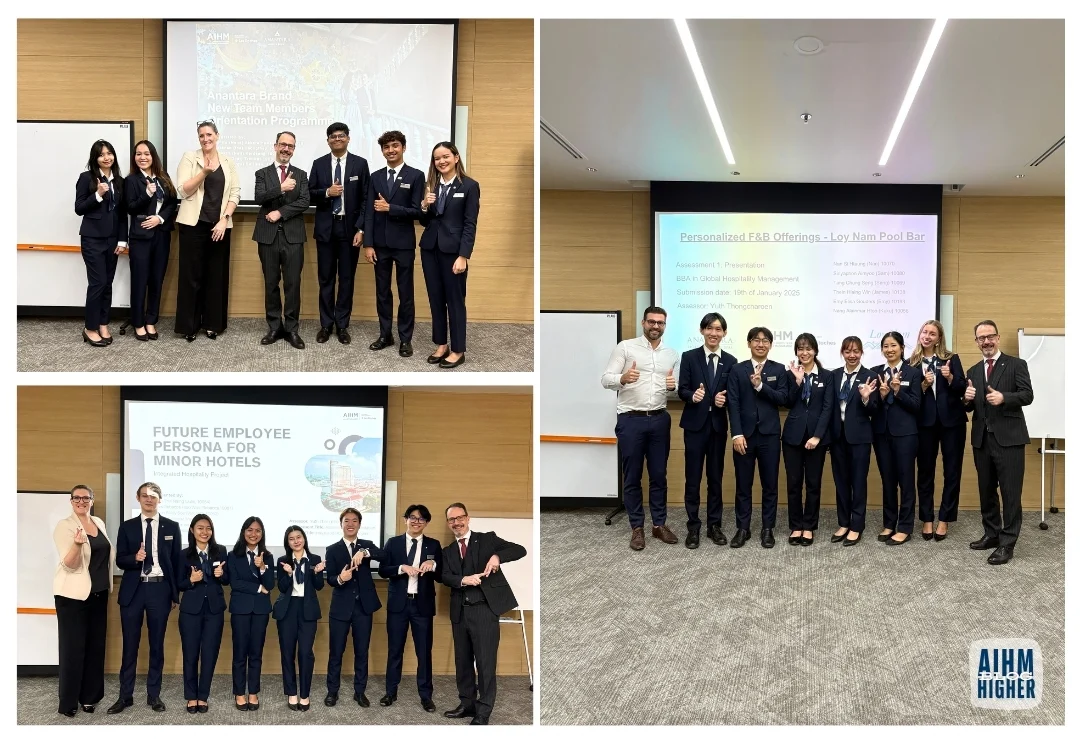
AI ในฐานะคู่คิด
Throughout the course, the entrepreneurial students will leverage tools like ChatGPT and Claude to assist with market research, customer persona development, competitive analysis, and business model iteration. But—and this is critical—they’ll be doing so strategically, using the 4 Cs framework we’ve mentioned:
- ร่วมมือ กับ AI
- ตรวจสอบผลลัพธ์อีกครั้ง
- วิพากษ์วิจารณ์ สมมติฐานของมัน
- Customise everything to their specific context.
To be clear: letting AI do all the work…doesn’t work.

แนวทางของเราคือการใช้ AI เพื่อการทำงานที่ชาญฉลาดขึ้น ทดสอบได้เร็วขึ้น และคิดอย่างลึกซึ้งยิ่งขึ้น AI ช่วยสนับสนุนความคล่องตัว กุญแจสำคัญในการใช้ AI อย่างมีประสิทธิภาพคือการตีความโดยมนุษย์ การใช้ AI ด้วยความเข้าใจ ความเห็นอกเห็นใจ และบริบทที่มนุษย์เท่านั้นที่จะมีได้
During this academic term, our Entrepreneurship and Business Modelling students are learning how to strike this balance to super-charge their entrepreneurial activities in the hospitality sector.
อะไรจะเกิดขึ้นต่อไป
ตลอดสามเดือนข้างหน้า ผมจะพาคุณไปสัมผัสเส้นทางการเป็นผู้ประกอบการอย่างครบถ้วนในแบบที่ผมสอนนักเรียนของผม นี่คือสิ่งที่เราจะสำรวจร่วมกัน:
สัปดาห์ที่ 1-4: การค้นพบ
- เทคนิคการค้นหาโอกาสและการสร้างสรรค์ไอเดีย
- วิธีการค้นหาและตรวจสอบความถูกต้องของลูกค้า
- การออกแบบข้อเสนอคุณค่า
- เข้าใจถึงปัญหา ความต้องการ และสิ่งที่ลูกค้าต้องการให้สำเร็จ
สัปดาห์ที่ 5-8: การออกแบบและการทดสอบ
- โมเดลธุรกิจแบบ Business Model Canvas และการสร้างโมเดลธุรกิจ
- การทดลองและการออกแบบ MVP (ผลิตภัณฑ์ที่ใช้งานได้ขั้นต่ำ)
- การเงินสำหรับสตาร์ทอัพและตัวชี้วัดสำคัญ
- พลวัตของทีม วัฒนธรรม และภาวะผู้นำในธุรกิจร่วมทุน
สัปดาห์ที่ 9-12: การปรับปรุงและการนำเสนอ
- การออกแบบการทดลองขั้นสูงและวงจรป้อนกลับ
- การสื่อสารโมเดลธุรกิจของคุณอย่างมีประสิทธิภาพ
- การพัฒนาแนวคิดและการเล่าเรื่อง
- การนำเสนอครั้งสุดท้ายและข้อคิดเห็น
ในแต่ละสัปดาห์ ฉันจะมาแบ่งปันสิ่งที่ได้ผล สิ่งที่ทำให้เราประหลาดใจ และบทเรียนที่ได้รับ เราจะเจาะลึกทั้งกรอบการทำงานระดับโลกและสภาพความเป็นจริงในท้องถิ่นของวงการโรงแรมในเอเชีย
คำเชิญของคุณให้ร่วมเดินทางไปด้วยกัน
Whether you’re considering enrolling in our Postgraduate Diploma programme, you’re a hospitality professional looking to think more entrepreneurially, or you’re simply curious about how ventures are built in our industry, I invite you to follow along.
ในแต่ละสัปดาห์ ฉันจะแบ่งปันสิ่งที่เราเรียนรู้ในห้องเรียน: กรอบแนวคิด ข้อมูลเชิงลึกทางธุรกิจ ช่วงเวลาที่น่าประหลาดใจ คำถามที่ทำให้เราคิดแตกต่างออกไป ฉันจะนำเสนอตัวอย่างจริงจากผู้ประกอบการด้านการบริการทั่วเอเชียและที่อื่นๆ ในโพสต์เหล่านี้ ฉันจะแบ่งปันเครื่องมือที่คุณสามารถนำไปใช้ในงานของคุณได้ทันที
Follow the complete 12-week series on the AIHM Higher Blog, connect with me on LinkedIn, and explore how AIHM’s Postgraduate Diploma in International Hospitality Management can help you shape the next generation of hospitality innovation across Asia.
เอกสารอ้างอิงและแหล่งข้อมูล
- Babson College. Entrepreneurial Thought & Action® Framework.
- McKinsey & Company (2025). The state of AI: How organizations are rewiring to capture value.
- Minor International. Our Businesses and Brands.
- Osterwalder, A. & Pigneur, Y. (2010). *Business Model Generation.* Wiley.
- Osterwalder, A., Pigneur, Y., Bernarda, G. & Smith, A. (2014). *Value Proposition Design.* Wiley.
- Pinchot, G. (2013, September). *Recognize Intrapreneurs.* Harvard Business Review.
- Ries, E. (2011). The Lean Startup. Crown Business.
ตอนต่อไปในซีรีส์
การมองเห็นโอกาสและการสร้างไอเดีย: วิธีสังเกตสิ่งที่คนอื่นมองข้าม – ซึ่งเราจะสำรวจข้อได้เปรียบของวิธีการแบบอนาล็อก เทคนิคการสร้างสรรค์ และวินัยในการมองเห็นโอกาสจากประสบการณ์ในชีวิตประจำวัน