
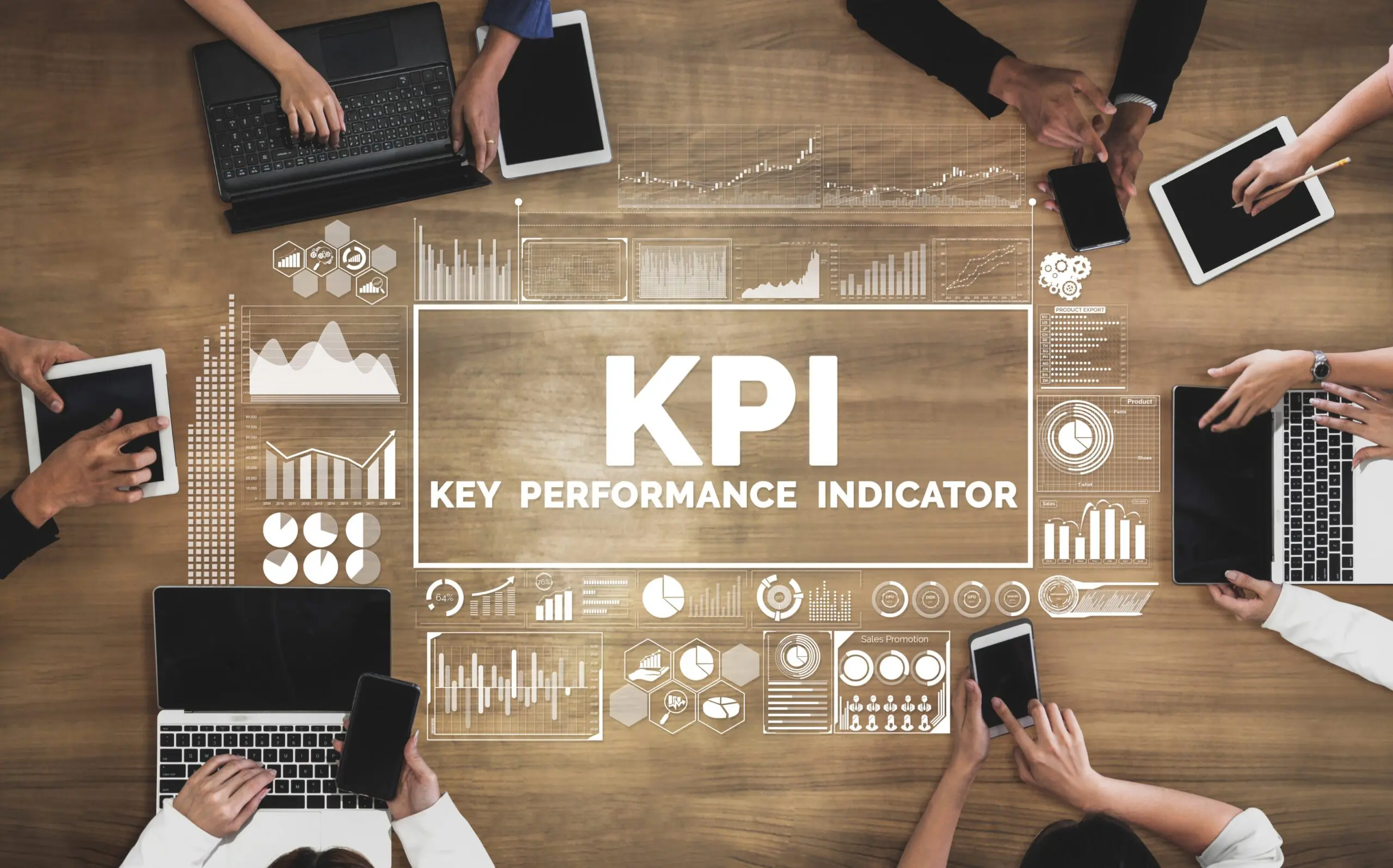
What makes an effective leader in hospitality today?
It’s not just experience or intuition. The strongest leaders know how to set clear goals, measure performance, and guide their teams with purpose. Without direction, even the most talented teams can lose focus.
In hospitality, where every decision impacts both guest experience and business performance, having structured goals and meaningful KPIs is essential.
At the Asian Institute of Hospitality & Management (AIHM), this approach is a core part of how students and professionals are trained to lead, combining strategy with real-world application.
The Moment the Games Began
A goal is not just an intention, it’s a measurable outcome that shapes decisions and behaviour.
To make goals actionable, many hospitality leaders rely on the SMART framework. It helps turn broad ideas into something concrete and achievable:
- Specific – What exactly needs to be achieved?
- Measurable – How will success be evaluated?
- Attainable – Is it realistic given available resources?
- Relevant – Does it align with broader business objectives?
- Time-bound – What is the deadline?
For example, instead of saying “improve guest satisfaction”, a SMART goal would be:
“Increase guest satisfaction scores from 85% to 92% within the next six months.”
That level of clarity changes how teams act, prioritise, and perform.

Setting KPIs That Actually Drive Performance
Not all KPIs are useful. The most effective ones are the ones that lead to action.
In practice, strong KPI design comes down to alignment across the organisation:
Think in levels
High-level KPIs reflect overall business performance, while departmental KPIs focus on specific contributions, such as Housekeeping efficiency or F&B revenue.
Create connection
Every KPI should link to a larger goal. For example, if the objective is to increase revenue, marketing might focus on direct bookings, while operations focus on upselling and service quality.
Balance what you measure
Financial results matter, but so do guest experience and team development. Strong leaders track both.
Assign clear ownership
Every KPI should have someone responsible for driving it forward. Without ownership, even the best metrics lose impact.
What Research Tells Us About High Performance
How goals are set has a direct impact on results.
Research consistently shows that:
Challenging goals lead to stronger performance
When expectations are clear and ambitious, people tend to rise to the occasion.
Structured timelines improve execution
Clear deadlines help teams stay focused and maintain momentum.
Shared commitment increases accountability
When goals are discussed openly, teams are more likely to stay engaged and follow through.
In hospitality, where teamwork and consistency are critical, these factors can make a measurable difference.
Why Goal Setting Matters in Hospitality
Hospitality is fast-paced, people-driven, and constantly evolving.
Without clear goals and measurable KPIs:
- Teams can become reactive instead of proactive
- Performance becomes difficult to evaluate
- Opportunities for improvement are easily missed
Strong goal setting brings clarity.
Well-designed KPIs bring focus.
Together, they create alignment across teams and help leaders make better decisions — whether it’s improving service quality, increasing revenue, or developing people.


Develop Your Personal Leadership Strategy
Understanding goals and KPIs is one thing. Applying them effectively is what makes the difference.
AIHM’s Personal Leadership Strategy course is designed to help you step back and define what leadership means for you and how to turn that into action.
You’ll learn how to:
- Set meaningful personal and professional goals
- Build a clear leadership roadmap
- Apply performance thinking to your own growth
👉 Explore the course: Personal Leadership Strategy
FAQ
What are SMART goals in hospitality?
SMART goals help hospitality leaders create clear, measurable objectives that improve team performance and guest experience.
Why are KPIs important in hotels?
KPIs allow managers to track performance, identify gaps, and make informed decisions to improve both service quality and revenue.